
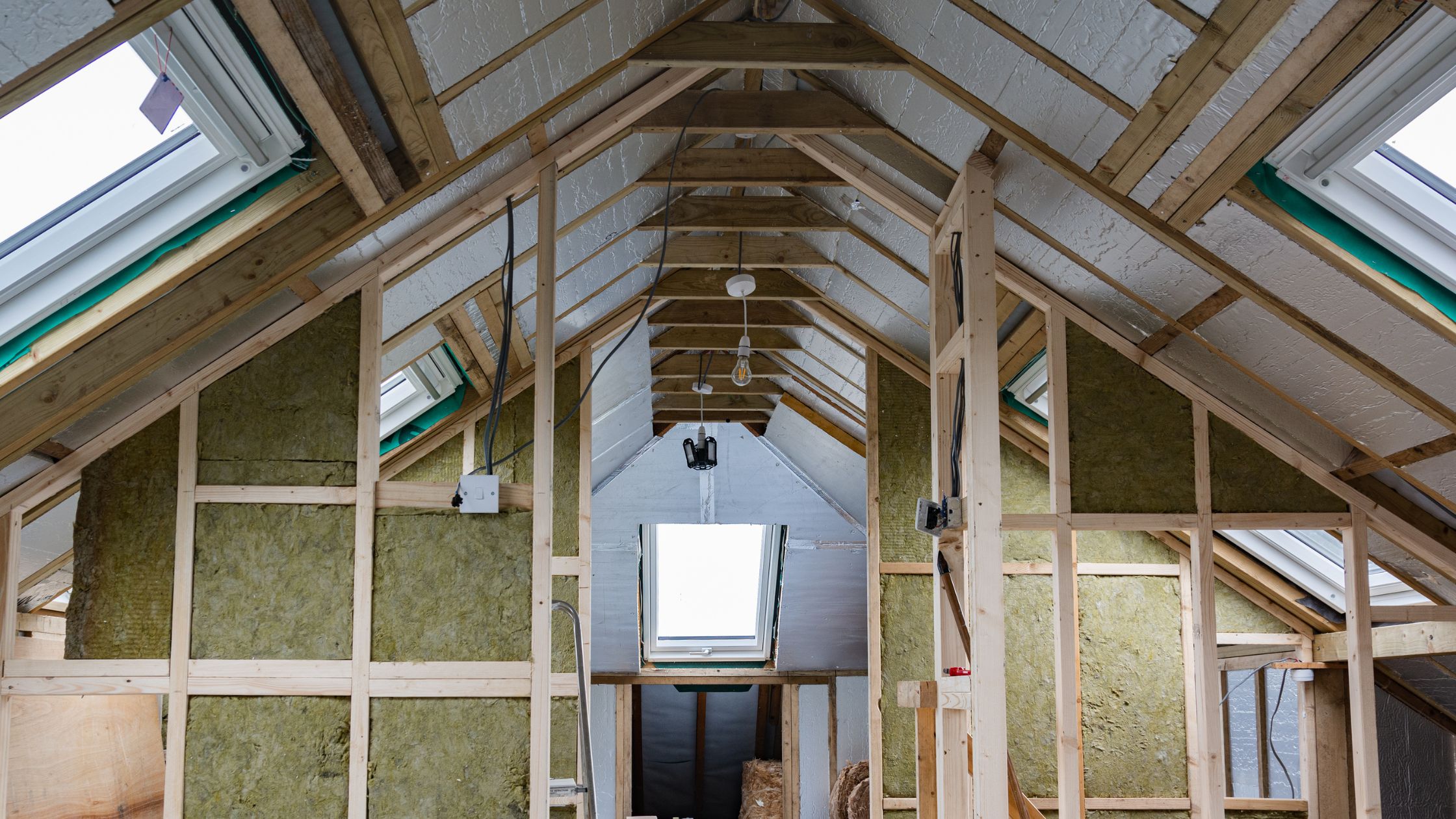
Loft Conversions in the UK – What Homeowners Need to Know
A loft conversion is one of the most efficient ways to add usable living space without extending your home’s footprint. For many UK properties, particularly terraced and semi-detached homes, the loft represents untapped potential.
Why Choose a Loft Conversion?
Loft conversions are popular because they:
- Add an extra bedroom
- Create home offices
- Increase property value
- Avoid losing garden space
Compared to extensions, loft conversions can sometimes be less disruptive and quicker to complete.
Structural Considerations
Not all lofts are immediately suitable for conversion. Key factors include:
- Roof height
- Roof structure (traditional cut roof vs trussed roof)
- Floor reinforcement requirements
- Access for staircase installation
A structural assessment is essential before proceeding.
Types of Loft Conversions
- Dormer conversions
- Hip-to-gable conversions
- Mansard conversions
- Roof light (Velux) conversions
Each type offers varying levels of additional headroom and floor space.
Building Regulations
All loft conversions require compliance with UK Building Regulations, especially regarding:
- Fire safety (escape routes and fire doors)
- Staircase dimensions
- Structural support
- Insulation standards
Proper project management ensures everything is handled safely and legally.
Long-Term Benefits
A well-built loft conversion can significantly enhance both practicality and resale value. It also future-proofs your property for growing family needs.